- View Mobile Number
iirtdelhi@gmail.com

Bio compatibility Services
Leading Manufacturers, Exporters, Wholesaler, Retailer of Carcinogenicity Testing Services, Chemical Characterization Testing Services, Degradation Testing Services, Genotoxicity Testing Service, Hemocompatibility Testing Services, Immunotoxicity Testing Service, Implantation Service, Irritation and Intracutaneous Studies, Material Mediated Pyrogenicity Testing, Pyrogenicity Testing Services, Reproductive and Developmental Toxicity Studies Services and Skin Sensitization Study Service from Ghaziabad.

Carcinogenicity testing is conducted to evaluate whether the materials used in medical devices—or their chemical extracts—have the potential to cause cancer or lead to tumor formation following long-term exposure. This type of testing is especially important for devices intended for prolonged or permanent contact with the human body, such as implants, catheters, or prosthetics. It helps identify any carcinogenic risks associated with the device’s components, degradation products, or leachables that may interact with body tissues over time.
The evaluation typically involves in vivo studies in animal models over an extended period, allowing observation of any tumor development. Results from carcinogenicity testing play a vital role in regulatory approval and help ensure that medical devices meet strict safety standards before clinical use. Ultimately, this testing protects patients by reducing the risk of long-term adverse health effects, particularly for devices intended for continuous use or implantation.

Chemical characterization is a fundamental process used to identify and quantify the chemical constituents present in medical device materials, including any potential leachables (substances that may migrate during use) or extractables (substances that can be drawn out under laboratory conditions). This assessment provides detailed information about the material composition and is essential for evaluating potential toxicological risks associated with patient exposure.
The process typically involves analytical techniques such as gas chromatography, mass spectrometry, and Fourier-transform infrared spectroscopy (FTIR) to detect and measure both organic and inorganic compounds.
Chemical characterization is especially important for devices intended for long-term or internal use, where prolonged contact with body tissues or fluids may result in chemical migration. The data gathered supports biocompatibility assessments and regulatory submissions by ensuring that materials are safe, stable, and appropriate for their intended medical use, ultimately protecting patient health and safety.

Degradation testing is performed to assess how medical device materials break down over time when exposed to physiological conditions, such as those found in the human body. This evaluation is crucial for devices intended for long-term implantation or extended contact with bodily tissues or fluids.
The study focuses on identifying and characterizing chemical, physical, and biological changes that occur in the material during degradation. It also analyzes the nature, quantity, and potential toxicity of the degradation products released. These products may interact with surrounding tissues, and understanding their behavior is vital to ensuring patient safety.
Degradation testing helps predict the long-term performance and biocompatibility of a device, providing essential data for regulatory submissions and risk assessments. Ultimately, it supports the development of safe, effective medical devices by ensuring that material breakdown does not pose harm to the body over time.

Genotoxicity testing is conducted to assess whether materials used in medical devices—or their extracts—have the potential to cause genetic damage. This damage may include gene mutations, chromosomal aberrations, or DNA strand breaks, all of which could lead to serious health effects such as cancer or heritable genetic disorders. These tests are an essential part of the biological safety evaluation of medical devices, especially those intended for long-term or internal use.
The international standard ISO 10993-3 outlines the recommended procedures and requirements for genotoxicity testing as part of a comprehensive risk assessment. It helps ensure that device materials do not pose a genetic hazard to users. Commonly used test methods include the Ames test (for gene mutations), the in vitro chromosomal aberration test, and the micronucleus assay, among others. These evaluations support regulatory submissions and ensure that medical devices meet global safety standards.

Hemocompatibility testing, as outlined in ISO 10993 Part 4, assesses the interaction between medical device materials and blood to ensure they are safe for use in blood-contacting applications. This testing is essential for devices such as catheters, stents, vascular grafts, and dialysis equipment, which come into direct or indirect contact with circulating blood.
The evaluation focuses on detecting potential adverse effects, including:
-
Thrombosis (clot formation)
-
Hemolysis (destruction of red blood cells)
-
Complement activation (immune response)
-
Platelet activation and adhesion
By identifying these risks, hemocompatibility testing helps prevent complications like embolism, anemia, or inflammation. The results guide material selection and design modifications to enhance blood compatibility and ensure patient safety. Compliance with ISO 10993-4 is a key requirement for regulatory approval of blood-contacting medical devices, helping manufacturers meet global safety standards and minimize clinical risks.
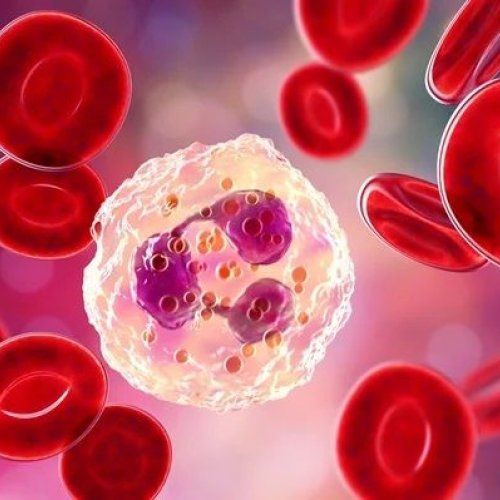
Immunotoxicity as per ISO 10993 Part 20
Immunotoxicity testing evaluates the potential of medical device materials or their extracts to cause adverse effects on the immune system. This includes unwanted immune activation, suppression, or hypersensitivity reactions.
Implantation testing is a critical procedure used to evaluate the local biological effects of medical device materials when surgically implanted into living tissue. This study is essential for assessing the biocompatibility of materials that come into prolonged contact with body tissues, ensuring they do not cause harmful reactions.
The test involves implanting the material—often subcutaneously or into muscle—and monitoring the surrounding tissue over time. Key tissue responses observed include:
-
Inflammation – an immune reaction to the foreign material
-
Fibrosis – the development of fibrous tissue around the implant
-
Tissue integration or rejection – indicating healing or adverse reaction
These observations help determine if the material is safe and suitable for long-term use in medical devices such as pacemakers, orthopedic implants, or surgical sutures. Implantation testing is a vital part of preclinical safety assessment in accordance with international biocompatibility standards like ISO 10993.

Irritation and intracutaneous studies as per ISO 10993 Part 23
Irritation and intracutaneous (intradermal) studies assess the potential of medical device materials or extracts to cause local irritation or inflammatory reactions when applied to or injected into the skin. ISO 10993-23 provides specific guidance for evaluating these effects, especially for materials intended for long-term or implantable devices.
Irritation tests are utilized to assess the irritation potential of medical devices, bio-materials, or their extracts exposed to eye, skin, or mucous membranes. The test(s) are performed using a model appropriate for the route (skin, eye, mucosa) and duration of exposure or contact

Material medicated pyrogenicity per ISO 10993 Part 11
Pyrogenicity testing assesses whether medical device materials or their extracts induce fever-producing substances (pyrogens), mainly bacterial endotoxins, which can cause harmful febrile responses when introduced into the body. ISO 10993-11 includes pyrogenicity as part of systemic toxicity evaluation.
Academic research has not formally defined material-mediated pyrogenicity. That being said, both academically and in the field, material-mediated pyrogenicity is considered to occur due to contamination by a group of pyrogens outside of those comprising endotoxins but within those constituting non-endotoxin pyrogens. More specifically, material-mediated pyrogenicity is thought to derive from surfaces or materials of medical devices as well as contaminations that may have arisen during production or packaging. Material-mediated pyrogenicity is understood to stem from contaminants of mold releases, processing aids, cutting fluids, or cleaning agents — among others.

Pyrogenicity testing evaluates whether materials used in medical devices or their extracts contain pyrogens—fever-inducing substances that can cause harmful febrile reactions when introduced into the body. The most common pyrogens are bacterial endotoxins, primarily from Gram-negative bacteria, but non-endotoxin pyrogens may also be present. These substances can trigger immune responses leading to fever, inflammation, or even shock, making their detection critical for ensuring patient safety.
This testing is a key component of the systemic toxicity evaluation outlined in ISO 10993-11, which governs the biological evaluation of medical devices. Pyrogenicity testing ensures that products, especially those in direct contact with blood or internal tissues, do not elicit adverse systemic effects. Common test methods include the Rabbit Pyrogen Test and the Bacterial Endotoxins Test (BET or LAL test). These tests are essential in regulatory approval processes for injectable products, implantable devices, and surgical instruments.

Reproductive and developmental toxicity studies are conducted to evaluate the potential adverse effects of medical device materials or their chemical extracts on reproductive health and offspring development. These studies assess the impact on fertility, reproductive capability, embryonic and fetal development, as well as the growth and health of offspring.
Such evaluations are essential for medical devices that may come into prolonged or repeated contact with the body, particularly those used during pregnancy or in reproductive health applications. The testing typically involves in vivo studies that monitor key reproductive parameters and developmental milestones across one or more generations.
The data generated from these studies help determine whether a device poses any risk to reproductive function or developmental processes. This information is critical for regulatory approval and for ensuring patient safety, especially for populations that may be more vulnerable, such as pregnant women and children.

Skin sensitization studies are conducted to assess whether a medical device material or chemical has the potential to cause an allergic skin reaction, also known as delayed hypersensitivity, after repeated exposure. These reactions typically occur when the immune system becomes sensitized to a substance, leading to inflammation or irritation upon subsequent contact.
Such studies are a critical part of ensuring the biocompatibility and safety of materials used in medical devices, especially those in prolonged or repeated contact with the skin. The evaluation helps identify substances that could trigger adverse immune responses in sensitive individuals.
ISO 10993-10 provides the specific guidelines for conducting these tests as part of the overall biological evaluation of medical devices. By adhering to this standard, manufacturers can demonstrate compliance with regulatory requirements and ensure patient safety during device use. Skin sensitization testing plays an essential role in risk assessment and product development in medical and pharmaceutical industries.
