- View Mobile Number
iirtdelhi@gmail.com

Eco toxicology Services
Leading Manufacturers, Exporters, Wholesaler, Retailer of Carbon Transformation Test, Earthworm Acute Toxicity Tests, Earthworm Reproduction Test, Fish Acute Toxicity Studies, fish acute toxicity testing service, Fish Embryo Toxicity Test Service, Growth Inhibition Test Service, Nitrogen Transformation Test and Reproduction Testing Service from Ghaziabad.

The Carbon Transformation Test is a key assessment used to evaluate the effects of chemicals, pollutants, or other substances on soil microbial activity—specifically the ability of soil microorganisms to break down organic carbon compounds. This microbial function is vital for maintaining soil health, nutrient cycling, and overall fertility.
By measuring changes in the decomposition rate of organic carbon, the test helps determine whether a substance disrupts microbial processes essential to soil ecosystems. A significant decline in microbial activity may indicate potential harm to soil biology, which can impact plant growth and environmental sustainability.
This test is commonly used in environmental risk assessments for pesticides, industrial chemicals, and waste materials to ensure they do not adversely affect the natural microbial balance in soil. Ultimately, the Carbon Transformation Test provides valuable insight into the ecological safety of chemical substances and their long-term impact on soil function.
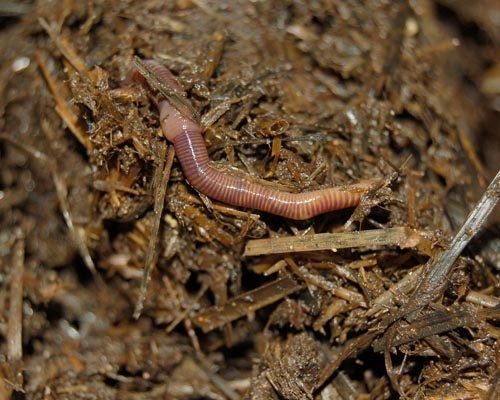
This Test Guideline includes two methods: a paper contact toxicity test and an artificial soil test. The recommended specie is Eisenia foetida (Michaelsen).
The initial screening test (filter paper contact test) involves exposing earthworms to test substances on moist filter paper in order to identify potentially toxic chemicals to earthworms in soil. Five or more treatment levels in a geometric series and, at least, ten replicates (one worm per vial) for each treatment should be used. Tests are done in the dark and for a period of 48 hours. The artificial soil test gives toxicity data more representative of natural exposure of earthworms to chemicals. It involves keeping earthworms in samples of a precisely defined artificial soil. Five concentrations, in a geometric series, of the test substance have been applied. One concentration resulting in no mortality and one resulting in total mortality should be used. Four replicates for each treatment are recommended. Mortality is assessed 7 and 14 days after application.
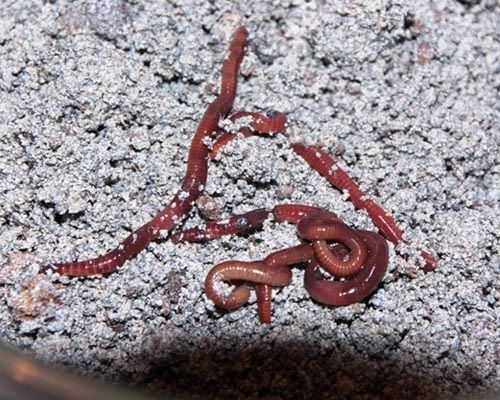
This Test Guideline is designed to be used for assessing the effects of chemicals in soil on the reproductive output (and other sub-lethal end points) of the earthworm species Eisenia fetida or Eisenia andrei. Adult worms are exposed to a range of concentrations of the test substance either mixed into the soil or applied to the soil surface. The range of test concentrations is selected to encompass those likely to cause both sub-lethal and lethal effects over a period of eight weeks. The limit test corresponds to one dose level of 1000 mg/kg.
This study includes the observation of unusual behaviour and morphology, the counting and weighing of the adult worms after the four primary weeks, the number of juveniles hatched at the end of the second 4-week period. The reproductive output of the worms exposed to the test substance is compared to that of the control(s) in order to determine the no observed effect concentration (NOEC) and/or ECx by using a regression model to estimate the concentration that would cause a x % reduction in reproductive output. The test concentrations should bracket the ECx so that the ECx then comes from interpolation rather than extrapolation.
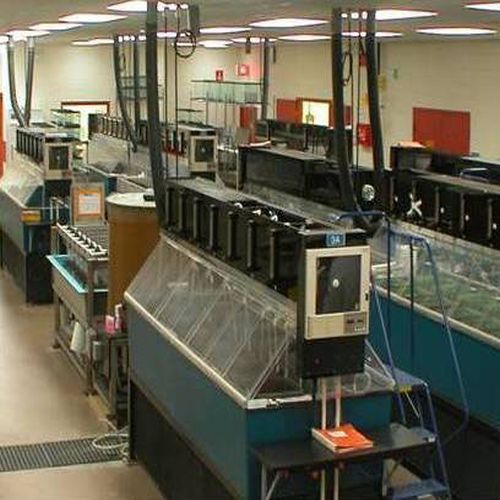
Acute toxicity testing in fish is conducted to evaluate the short-term harmful effects of a substance—such as chemical leachables, pharmaceuticals, or environmental contaminants—on aquatic organisms. Typically lasting 96 hours or less, this test assesses the lethal concentration (LC50) that causes death in 50% of the test fish population within the exposure period.
This type of testing is essential for understanding the immediate ecological risks associated with the release or leaching of chemicals into aquatic environments. It provides crucial data for environmental risk assessments, regulatory compliance, and the development of safe discharge limits for industrial or medical substances.
The results help determine whether a substance poses a threat to aquatic life and inform decisions to mitigate environmental impact. Acute toxicity testing is often a preliminary step in broader ecotoxicological evaluations, contributing to the overall assessment of a material 's environmental safety.
Fish acute toxicity tests are used to assess potential risk to fish species and for other ecological regulatory needs associated with surface water contaminants. To meet EPA data requirements the test is typically conducted in three different fish species: a cold-water freshwater species, a warm-water freshwater species, and a marine/estuarine species Workgroup is evaluating ecotoxicology methods involving animal testing and what alternatives exist to replace, reduce, or refine animal use in the acute fish toxicity assay. NICEATM is also working with EPA and other partners to explore reducing animal use for fish acute toxicity testing.
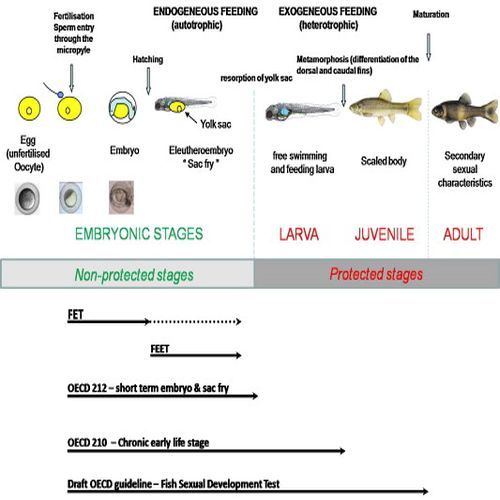
The Fish Embryo Toxicity (FET) test is an alternative method to traditional acute fish toxicity tests, utilizing the early life stages—specifically embryos—of fish to evaluate the toxic effects of chemicals or substances. This test is commonly used in environmental risk assessments to determine the potential harm a substance may pose to aquatic ecosystems.
One of the key advantages of the FET test is its ethical benefit, as it significantly reduces the use of live adult fish in toxicity testing. By focusing on embryos, the method aligns with the principles of the 3Rs (Replacement, Reduction, Refinement) in animal testing.
The FET test provides reliable and reproducible data on endpoints such as mortality, developmental abnormalities, and hatching rates, making it a valuable tool for regulatory screening and hazard classification. It is widely accepted for testing a broad range of substances, including industrial chemicals, pharmaceuticals, and environmental pollutants.
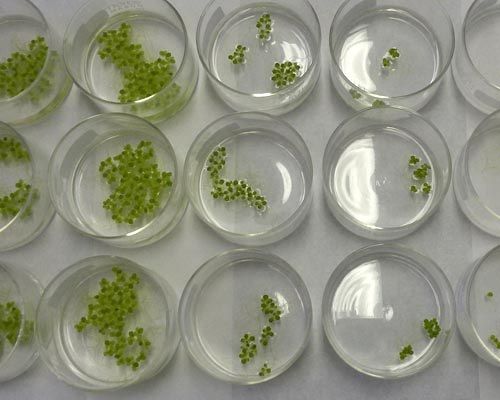
Growth Inhibition Test in Algae
The Growth Inhibition Test evaluates the effects of chemical substances on the growth rate of algae, which are primary producers in aquatic ecosystems. It’s a key test for assessing the environmental impact of pollutants on aquatic life.

The Nitrogen Transformation Test is designed to evaluate the effects of chemicals or pollutants on key soil microbial processes involved in the nitrogen cycle, including ammonification, nitrification, and denitrification. These microbial activities are essential for maintaining soil fertility and supporting healthy plant growth by regulating the availability of nitrogen in forms that plants can absorb.
By measuring changes in nitrogen transformation rates, this test helps determine whether a substance disrupts microbial functions critical to nutrient cycling within the soil ecosystem. It is particularly important for assessing the environmental safety of agrochemicals, industrial pollutants, and biosolids applied to land.
The results provide valuable information for environmental risk assessments, regulatory compliance, and sustainable land management practices. Ultimately, the Nitrogen Transformation Test plays a key role in protecting soil health, agricultural productivity, and ecological balance.
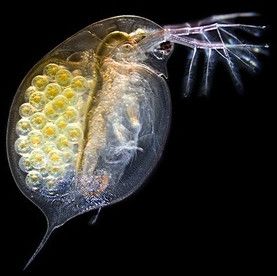
This test is carried out to determine the effect of a chemical on the reproductive output of Daphnia magna. Juvenile Daphnia magna, less than 24 hours old at the start of the test are exposed to the test material for a period of 21 days. Studies are performed as a semi-static with renewal of the typically three times per week, greater frequency can be used depending on the stability of the test material in the test media.
The Reproduction Test in Daphnia assesses the chronic effects of substances on the reproductive capacity of Daphnia (typically Daphnia magna). This test is important for evaluating long-term ecological impacts on population sustainability.
