- View Mobile Number
iirtdelhi@gmail.com


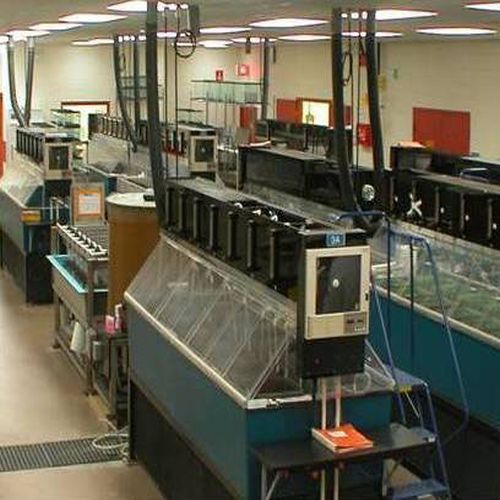
Acute toxicity testing in fish is conducted to evaluate the short-term harmful effects of a substance—such as chemical leachables, pharmaceuticals, or environmental contaminants—on aquatic organisms. Typically lasting 96 hours or less, this test assesses the lethal concentration (LC50) that causes death in 50% of the test fish population within the exposure period.
This type of testing is essential for understanding the immediate ecological risks associated with the release or leaching of chemicals into aquatic environments. It provides crucial data for environmental risk assessments, regulatory compliance, and the development of safe discharge limits for industrial or medical substances.
The results help determine whether a substance poses a threat to aquatic life and inform decisions to mitigate environmental impact. Acute toxicity testing is often a preliminary step in broader ecotoxicological evaluations, contributing to the overall assessment of a material 's environmental safety.