- View Mobile Number
iirtdelhi@gmail.com


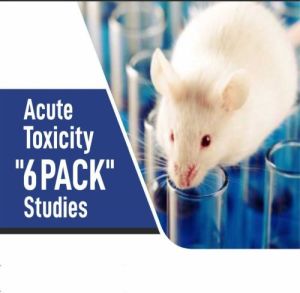
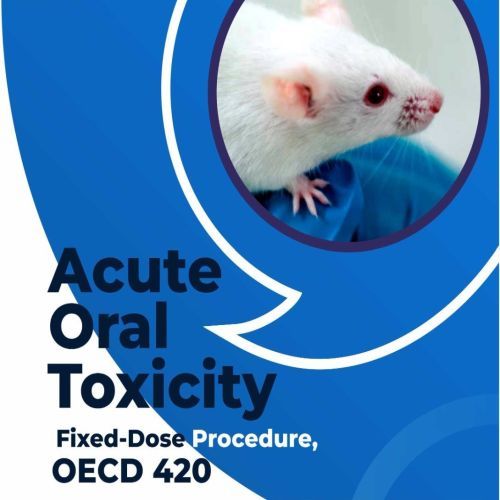
Acute oral toxicity studies are conducted to assess the harmful effects of a substance following a single dose or multiple doses within a 24-hour period administered orally. These studies are essential in toxicology and regulatory science as they provide initial information on a substance 's toxicity and potential health risks after short-term exposure.
The primary goal is to determine the LD₅₀ (lethal dose that kills 50% of test animals) or to estimate an approximate toxic dose. This data is crucial for classifying the toxicity level of chemicals and products and guiding labeling, handling, and safety precautions.
These studies help:
-
Identify toxic dose ranges
-
Classify chemicals by their acute toxicity level
-
Support hazard labeling and risk communication
-
Guide dosage selection for further long-term studies
-
Ensure safety during development of pharmaceuticals, chemicals, and consumer products
These studies typically use rodents and follow internationally recognized guidelines such as OECD Test Guideline 420, 423, or 425.